
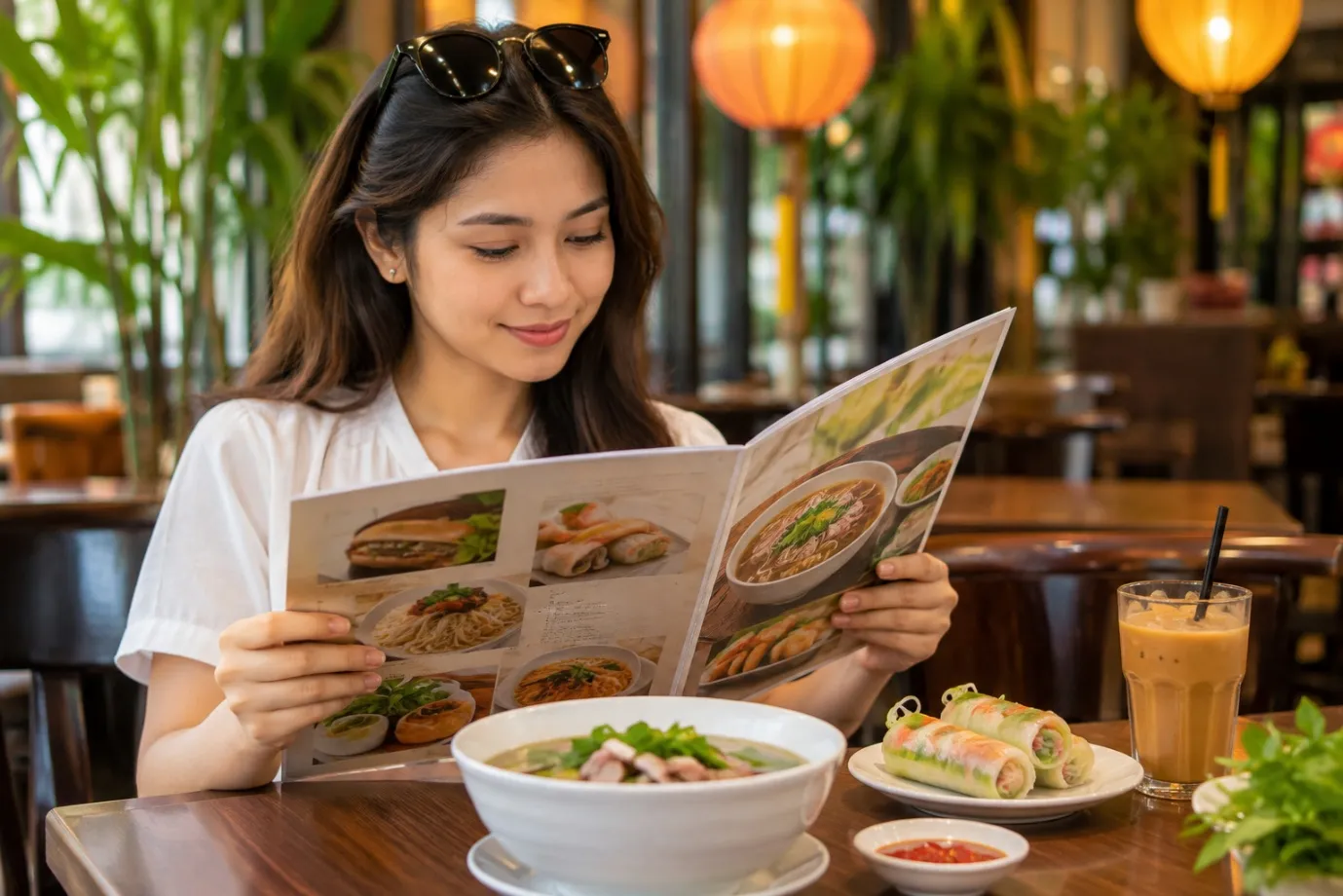
A first visit to a Vietnamese kitchen can feel like decoding a puzzle. Names are long, accents are missing, and numbers sit beside nearly every dish. Once you understand the structure, though, ordering becomes simple and fun. No translation app or language skills required. A good Vietnamese restaurant in Las Vegas organizes its offerings into clear families, such as noodle soups, vermicelli bowls, rice plates, and starters. This short guide explains each category so your next order feels confident instead of confusing.
Start With the Noodle Soup Section
Pho usually dominates the first pages, and the variations tell you what to expect. Tai means rare beef sliced thin, which cooks gently in the hot broth. Chin means well done, ideal for anyone who prefers cooked beef from the start. Other cuts such as brisket, flank, tendon, and tripe add chew and richness. Reading these small words closely lets you build a bowl that matches your comfort level, appetite, and curiosity. After a couple of visits, these distinctions feel natural.
Decode the Numbers and Names
Numbered items exist for a practical reason: they help staff and guests communicate quickly, especially during busy lunch hours. Instead of pronouncing a long dish name, you can simply point or say the number. Still, learning a few terms pays off. Bo means beef, ga means chicken, tom means shrimp, and heo means pork. Rau signals vegetables. With just these five words, most menu lines become readable, and ordering turns into a small, enjoyable discovery. Soon it feels like a game.
Understand Bun, Com, and Mien
Beyond pho, three words appear constantly. Bun refers to thin rice vermicelli, usually served cool beneath grilled meat, herbs, and sauce. Com means rice, so com thit nuong is grilled pork over a steamed bed. Mien describes clear bean thread noodles, often paired with chicken in a lighter broth. Knowing these labels helps you choose by texture instead of guessing. If you want something crisp and refreshing, look for bun; if you want something hearty, choose com. Texture is half the pleasure.
Browse Starters Like a Shared Table
Appetizers deserve more attention than most newcomers give them. Egg rolls bring crunch, while fresh rolls offer a cooler, more delicate bite. Sharing two or three starters turns dinner into a tasting. When you browse the Vietnamese menu in Las Vegas online, you can scan these sections first, pick a pair, and then decide on mains. Starting small also gives you time to notice what neighboring tables are enjoying. That order also helps pace the meal, so nothing arrives rushed or cold.
Spot the Vegetarian Choices
Plant-based eating is easier than many people expect. Look for the words rau, tofu, and chay, which point toward vegetable-focused dishes. Vegetable pho, tofu rolls, and rice plates can all satisfy without meat, though it never hurts to confirm broth ingredients with your server. Restaurants that mention vegan options on their website generally welcome these questions. Asking politely about fish sauce or stock avoids surprises and ensures your meal matches your preferences from the very first spoonful. Politeness goes a long way.
Use the Table Extras Wisely
The plate of fresh basil, bean sprouts, lime, and jalapeño beside your soup is not decoration. Tear the herbs into the bowl, squeeze lime for brightness, and add sprouts for crunch. Hoisin and chili sauce belong in a small dish for dipping meat, not necessarily in the broth, which is often seasoned carefully. Taste first, then adjust. This habit shows respect for the cook and lets you discover the flavor the kitchen intended. Simple habits like these make the experience richer.
Order Without Overthinking
Confidence comes from practice, not memorization. Pick one soup or bowl, add one starter, and share if you are with friends. Ask the server what regulars enjoy, because staff usually answer with pride. Keep notes on what you liked so the next visit feels even easier. Over time, the menu stops looking like a puzzle and starts feeling like a map of flavors you can explore at your own pace, one satisfying meal at a time. Curiosity is always rewarded here.
Conclusion
Learning a few key words turns any Vietnamese menu into an open invitation. You will order with more confidence, share more generously, and notice flavors you might once have overlooked. Curiosity is the only skill required. Every new dish you try adds another favorite to your list. When you are ready to put this guide into practice, browse dishes, confirm hours, and plan your visit through phosaigongoldenegg.com, then walk in hungry and ready to try something new alongside friends, family, or colleagues.
