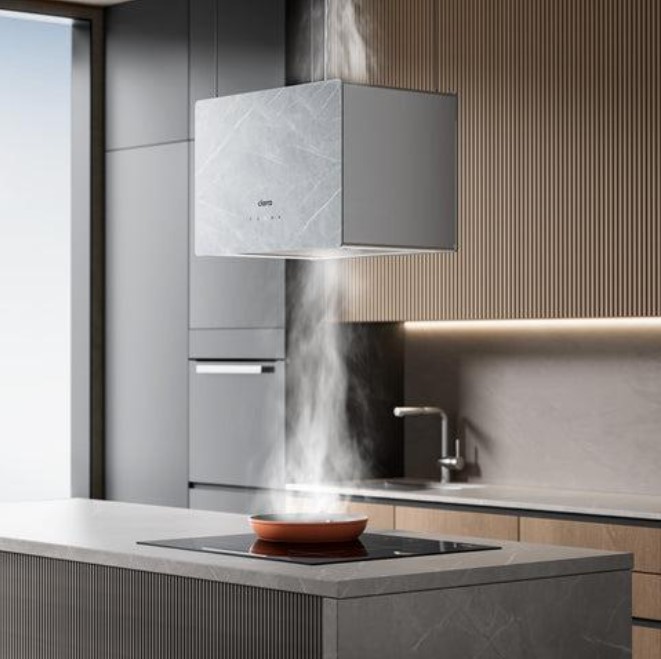

An island cooker hood is a core of up-to-date kitchens, consistently freshening the air by eliminating smoke, odors, and grease. However, individual coarse affliction among homeowners is the explosion these hoods can create, particularly in open-plan kitchens, place the living and eating areas blend.
The good news is that extractor hood noise may be managed. With the right steps, you can savor both clean air and a quieter cooking experience.
Why Are Island Cooker Hoods Noisy?
Before learning how to decrease noise, it’s important to understand the causes. Common reasons include:
-
High fan speed:
Running the 90cm cooker hood with the maximum setting constantly can create a loud, lively, or whooshing sound.
-
Airflow fighting:
Poorly equipped ducting or narrow pipes can cause air to struggle to travel, making extra noise.
-
Vibrations:
Loose fittings or loose parts can rattle along with movement.
-
Filter blockages:
Grease-blocked filters force the motor to work harder, increasing cry levels.
How to reduce noise
1. Use the Right Fan Setting
You don’t always need to run the hood at its maximum speed. Start it a few records before cooking on a medium background, then increase capacity only if necessary. This reduces avoidable noise.
2. Choose a Larger Hood
A hood accompanying a higher extraction capacity can run at lower speeds while still being productive. When purchasing, look for a model namely more powerful than your kitchen strictly requires—this habit, you’ll rarely need the noisy maximum scene.
3. Clean Filters Regularly
Grease and dirt build up fast on filters, compelling the motor to work harder. Wash metal grease filters every couple of weeks and replace carbon filters as urged by the manufacturer. Clean filters help maintain smooth, quieter light wind.
4. Check Ducting Installation
Poor ducting is one of the substantial causes of noise. To decrease it:
- Use smooth, rigid ducting instead of flexible pipes.
- Keep duct runs as short and straight as possible.
- Avoid sharp bends that cause air turbulence.
- Use the widest ducting urged for your hood.
5. Secure the Hood Properly
Vibrations can make a cover sound louder than it is. Make sure it is solidly fastened to the maximum and that all screws and classifications are tight. Adding elastic padding around the fixings can help absorb vibrations.
Conclusion
If you are buying in a new hood, acknowledge models with more peaceful motors or remote extraction systems. With the right approach, your island cooker hood can work efficiently outside, disrupting the atmosphere of your home.
