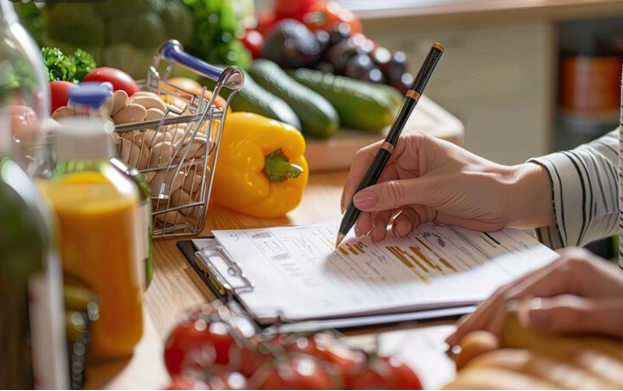

Creating a grocery list may seem like a simple task, but when it’s based on weekly flyers, it can become one of the most effective ways to reduce grocery expenses. Instead of shopping without a plan, you can focus on products that offer the best value while avoiding unnecessary purchases. For Canadian shoppers looking to stretch their grocery budget, reviewing weekly flyers before visiting the store is a habit worth developing.
Many families check the No Frills Flyer each week to find discounts on everyday groceries. Comparing those promotions with the Food Basics Flyer also helps shoppers decide where they’ll get the best value on the items they need most.
Start with Weekly Flyer Deals
Before writing your grocery list, spend a few minutes reviewing current flyer offers. Weekly promotions often include discounts on fruits, vegetables, dairy products, meat, frozen foods, and pantry staples.
The No Frills Flyer regularly features savings on products that most households buy every week. Planning your purchases around these offers allows you to lower your grocery bill without changing your eating habits.
Checking promotions before shopping also helps you avoid paying regular prices when the same products may be available at a discount.
Plan Meals Before Shopping
A grocery list becomes much more effective when it’s connected to a meal plan. Instead of buying ingredients without a purpose, choose recipes based on items currently on sale.
For example, if chicken, fresh vegetables, pasta, and yogurt are discounted, you can prepare several balanced meals using those ingredients throughout the week. This method helps you buy only what you’ll use and reduces food waste.
Meal planning also saves time because you already know what you’ll cook each day instead of making last-minute decisions.
Compare Prices Across Stores
Weekly promotions vary from one retailer to another. While one store may offer lower prices on produce, another may have better discounts on packaged foods or household supplies.
The No Frills Flyer often includes attractive prices on fresh groceries and pantry essentials. Meanwhile, the Food Basics Flyer may feature better offers on frozen foods, beverages, or cleaning products during the same week.
Comparing both flyers before shopping allows you to make informed decisions and choose the best overall value instead of relying on assumptions.
Build a Practical Shopping List
After reviewing weekly deals, prepare a shopping list that includes only the items you need. Begin by checking your refrigerator, freezer, and pantry so you don’t purchase products you already have.
Organize your list into categories such as produce, dairy, meat, frozen foods, bakery items, and household essentials. This makes shopping faster and helps you avoid wandering through every aisle.
A clear list keeps you focused and reduces the temptation to make impulse purchases that increase your grocery bill.
Stock Up on Everyday Essentials
Some products have a long shelf life, making them good choices when they’re available at discounted prices.
Consider purchasing extra quantities of:
- Rice
- Pasta
- Canned vegetables
- Cooking oil
- Flour
- Breakfast cereals
- Frozen vegetables
- Paper products
The No Frills Flyer frequently highlights promotions on these household staples. Buying them during sales can help lower future grocery expenses while ensuring you always have essential items available at home.
Remember to purchase only the quantities you can store properly and use before they expire.
Combine Flyers with Extra Savings
Weekly flyers become even more valuable when paired with additional money-saving opportunities. Many grocery stores offer loyalty programs, digital coupons, cashback promotions, or member rewards that can further reduce your total.
Before completing your shopping trip, compare the discounts available through the Food Basics Flyer with offers you’ve already identified elsewhere. Combining promotions with reward programs allows you to maximize your savings without spending extra time or effort.
Small savings on individual products can add up significantly over the course of a month.
Conclusion
Planning your grocery list around weekly flyers is a simple habit that can lead to long-term savings. It encourages smarter purchasing decisions, supports meal planning, reduces food waste, and helps you avoid unnecessary spending.
The No Frills Flyer makes it easier to find discounts on everyday groceries, while the Food Basics Flyer provides another valuable source for comparing weekly promotions. By using both resources before every shopping trip, you can build an organized grocery list, shop with confidence, and keep your household food budget under better control throughout the year.
