
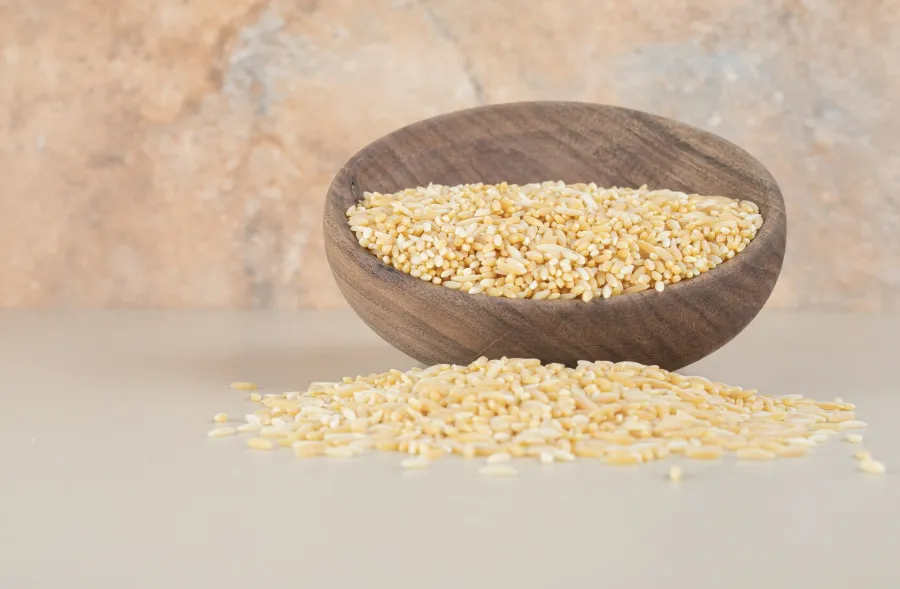
Food manufacturers often work with ingredients that look simple but require careful control once purchasing moves into bulk quantities. Hulled sesame is a good example. The seeds may be small, yet their colour, cleanliness, moisture, flavour and behaviour during roasting can influence the finished product. For buyers evaluating a hulled sesame seeds exporter, the right questions go beyond price. A dependable supply arrangement should cover specifications, sample approval, packaging and repeat-order consistency so the ingredient performs as expected from one shipment to the next.
Why Hulling Matters to the Final Product
Hulled sesame seeds have had the outer husk removed. This gives them a lighter, cream-to-off-white appearance and a smoother texture than natural sesame. The milder flavour and clean appearance make them useful for tahini, bakery toppings, confectionery, snack products and other processed foods.
Those applications do not all need the same seed. A bakery may care about visual uniformity after baking, while a tahini producer may focus more on flavour after roasting and grinding. Buyers should therefore begin with the final application rather than selecting a grade only from a catalogue description.
Turn Quality Expectations Into Specifications
Terms such as “premium” or “export quality” can mean different things to different suppliers. Commercial buyers get better control when they translate expectations into measurable specifications.
For hulled sesame, the specification may cover purity, moisture, colour, foreign matter, broken seeds and overall seed condition. Sadbhaav Spices lists its hulled sesame as mechanically hulled, cleaned, graded and sorted, with a creamy white to off-white colour and mild, nutty flavour. Buyers should still match any supplier specification against their own production and destination-market requirements.
A written specification also makes future inspections easier. If a later shipment differs from the approved standard, the procurement and quality teams have a clear reference for discussion.
Test the Seed the Way It Will Be Used
Samples should be assessed under realistic conditions. Looking at the raw seeds is useful, but it cannot show exactly how they will perform after roasting, baking or grinding.
A tahini producer can roast and mill the sample before approving it. A bakery can test the seeds on the actual dough and baking cycle. A snack manufacturer can check whether the seeds keep the desired colour, flavour and texture after processing.
This connects purchasing decisions with production performance and helps prevent the approval of an attractive sample that does not behave as expected in the final recipe.
When the Ingredient Portfolio Expands
Many buyers source more than one agricultural ingredient. Sesame may sit beside spices, herbs and fibre ingredients in the same procurement programme. When working with an Indian psyllium husk supplier, however, the quality questions change.
Psyllium husk is the outer coating of Plantago ovata seeds and is valued mainly for its fibre and functional properties. Buyers may need to consider purity grade, moisture, colour, particle characteristics and suitability for the intended formulation. A specification designed for sesame cannot simply be reused for psyllium.
This is why product-specific approval matters. A supplier may handle several ingredients, but each one should have its own sample, specification and incoming-quality checks.
Packaging Is Part of Product Protection
Bulk ingredients can spend days or weeks moving through warehouses, containers and distribution points. Packaging should protect them against moisture, contamination and unwanted odours throughout that journey.
Buyers should confirm pack weight, bag material, liners where required, batch identification and labelling before shipment. For international orders, the packaging should also work with the buyer’s storage and handling system after arrival.
Good batch identification supports traceability. It lets quality teams connect an inspection result or production issue to a specific delivery.
Measure Supplier Performance Over Time
A successful first shipment is only the beginning. Agricultural ingredients naturally show some variation, so long-term buyers should track whether deliveries remain within agreed limits.
Useful records include incoming inspection results, production feedback, delivery timing and quality deviations. Communication matters too. If crop conditions, availability or lead times change, buyers benefit from knowing early enough to adjust purchasing plans.
The best supplier relationship is not simply the one with the lowest quotation. It is the one that gives the buyer enough consistency and information to plan production confidently.
Conclusion
Hulled sesame and psyllium illustrate why bulk ingredient sourcing needs more than a visual quality check. Buyers should begin with the intended application, set measurable specifications, test representative samples, confirm packaging and monitor repeat shipments. Different ingredients require different controls, even when they come through the same procurement channel. A structured approach helps food businesses protect product consistency, identify problems earlier and build supplier relationships that remain dependable as order volumes and ingredient requirements grow.
